
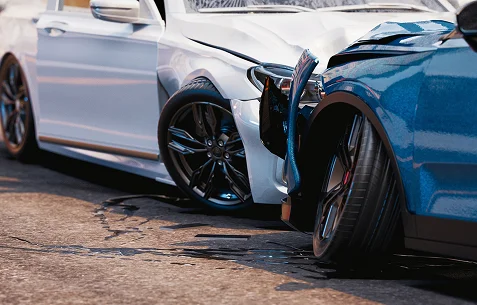
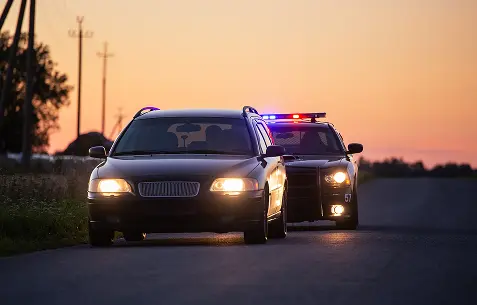
 A late dinner in Breckenridge, après-ski drinks in Keystone, or a drive from Frisco onto I-70 can end differently once flashing lights appear. This Summit County DUI charges guide explains the possible charges, the separate court and DMV proceedings, likely penalties and costs, and where the evidence may be challenged.
The urgent point is simple: an arrest can start a criminal case in Breckenridge and may also trigger a separate driver’s license case. The DMV deadline may arrive first.
Which Impaired-Driving Charge Fits the Allegation?
Colorado classifies impaired-driving charges based on the degree of impairment and supporting evidence. Under Colorado DUI laws, the main charges are:
- DUI. The State must prove alcohol, drugs, or both left the driver substantially incapable of safely operating the vehicle.
- DUI per se. The charge rests on a blood alcohol concentration of 0.08 or higher while driving or within two hours afterward.
- DWAI. This charge applies when alcohol or drugs affected the driver to the slightest degree.
A DUI or DWAI may also be based on cannabis, prescription medication, another drug, or a combination of drugs and alcohol. A whole-blood delta-9 THC level of at least five nanograms per milliliter permits an inference of drug impairment but does not establish guilt by itself.
Why the Court Date May Be Only One of Two Proceedings?
A Summit County DUI case may involve both DMV and criminal court issues, each with different deadlines and consequences.
The criminal case moves through advisement or arraignment, discovery, motions, negotiations, and trial if the case remains unresolved. Misdemeanor DUI and DWAI cases generally proceed in Summit County Court, while felony DUI cases proceed in Summit County District Court. Both courts operate from the Summit County Justice Center.
The DMV track handles driving privileges. A DMV hearing must generally be requested within a certain number of days following a breath test or refusal, or within a set number of days of notice of a blood test result. The DMV can revoke your license even if the criminal charges are later dismissed.
Colorado’s consent laws apply to visitors and residents. Roadside tests differ from post-arrest breath or blood tests. Refusing or failing to cooperate with chemical testing can lead to adverse license consequences.
When Do DUI Penalties Escalate Into Mandatory Jail or Felony Charges?
Prior convictions, high BAC, and other factors can increase mandatory penalties. General court sentencing ranges include:
- First DUI. A first DUI offense carries a penalty of five days to one year in jail, a $600 to $1,000 fine, and 48 to 96 hours of useful public service. The minimum jail term may be suspended when the required evaluation and treatment conditions are met.
- First DWAI. A first DWAI offense carries a penalty of two to 180 days in jail, a $200 to $500 fine, and 24 to 48 hours of useful public service.
- Second offense. A second offense carries a penalty of 10 consecutive days to one year in jail, a $600 to $1,500 fine, 48 to 120 hours of useful public service, and at least two years of probation.
- Third offense. A third offense carries a penalty of 60 consecutive days to one year in jail, with the same fine, public service, and minimum probation ranges as a second offense.
- Felony offense. A current DUI, DUI per se, or DWAI becomes a class 4 felony after three qualifying prior convictions.
A first DUI, DUI per se, or DWAI involving a BAC of 0.20 or higher carries a jail range beginning at 10 days. A current DUI, DUI per se, or DWAI is a class 4 felony when the person has at least three qualifying prior convictions from separate criminal episodes.
How Much Does a DUI Cost in Money and Time?
A first Colorado DUI can cost over $10,000 and require many hours in court, treatment, DMV, and related obligations. Costs may include towing, storage, defense fees, court assessments, probation, treatment, license reinstatement, ignition interlock service, MADD panel, UPS fees, and increased insurance premiums.
The actual total depends on the charge, test result or refusal, prior record, treatment requirements, and license consequences.
Can Police Stop Every Car at a Summit County DUI Checkpoint?
DUI checkpoints may be used during high-visibility enforcement periods, along with saturation patrols and additional officers. An ordinary stop requires reasonable suspicion, but a properly operated sobriety checkpoint does not require individualized suspicion for each driver.
Although officers do not need individualized suspicion to stop each selected vehicle at a lawful checkpoint, later detention, testing, and arrest still require adequate legal and factual support. An attorney can examine how the checkpoint operated and what happened after the initial contact.
Where Can the State’s Evidence Lose Strength?
A defense begins by examining each step from the initial stop to the laboratory result. Key questions include:
- Did the officer have a lawful reason to stop or detain the vehicle?
- Did snow, elevation, an uneven shoulder, fatigue, an injury, physical limitations, or unclear instructions affect roadside testing?
- Were the breath instrument or the blood sample properly maintained, collected, documented, and analyzed?
- Does body-camera video support the report’s descriptions?
- Does drug evidence show impairment while driving rather than prior use alone?
A constitutional violation may support suppression of evidence. Testing or documentation problems may instead affect reliability and the weight a judge or jury gives the result. Depending on the facts, those issues may support a motion, strengthen negotiations, or provide a defense at trial.
What Evidence Could Disappear Before the First Court Date?
Video and witness details may disappear before the first court appearance. After confirming the correct DMV deadline:
- Keep the summons, express-consent notice, test paperwork, and bond terms together;
- Write a private timeline for your lawyer while the stop and testing remain fresh;
- Identify dash-camera, hotel, resort, restaurant, or roadside video before it is deleted or overwritten; and
- Preserve contact information for passengers and other witnesses.
Be sure to follow release conditions and avoid discussing the case on social media or recorded calls.
Build the Defense Around the Stop, the Testing, and Your Priorities
At The Law Offices of Susan Deschler, Susan personally reviews the stop, testing, court case, and DMV issues rather than passing the matter between layers of lawyers. Licensed since 2001 and handling criminal law matters since 2003, she has 25 years of legal experience, including prior service as a Clear Creek County Deputy District Attorney and a Wisconsin court commissioner.
If you are facing Summit County DUI charges, Susan can guide you through the separate court and DMV proceedings and help you understand what comes next. Schedule your consultation to discuss the deadlines, evidence, driving consequences, and defense options that apply to your case.
What Happens If I Live Outside Colorado?
Leaving Summit County does not resolve court or license issues. Colorado can revoke a nonresident’s privilege to drive in the state, and the driver’s home state may act separately. Out-of-state residents may need to clear their privilege here by undergoing evaluation, treatment, and reinstatement steps.
Legal References Used to Inform This Page:
To ensure the accuracy and clarity of this page, we referenced official legal and other resources during the content development process:
- C.R.S. § 42-4-1301. Driving under the influence—driving while impaired—driving with excessive alcoholic content—definitions—penalties (2025).
- No DUI Colorado, A DUI Costs Time and Money.
- Colorado Department of Transportation, The Heat Is On Fourth of July Enforcement Period Is July 1 to 7 (July 1, 2026).
- Colorado Division of Motor Vehicles, The DUI Process.
- Colorado Judicial Branch, Summit County Justice Center.
- Colorado Division of Motor Vehicles, The DUI Administrative Process.
- Colorado Department of Transportation, Colorado’s Expressed Consent Law.
- C.R.S. § 42-4-1307. Penalties for traffic offenses involving alcohol and drugs (2025).
- C.R.S. § 42-1-102. Definitions (2025).
- No DUI Colorado, Why a DUI Got More Expensive.
- C.R.S. § 42-4-1302. Stopping of suspect (2025).


