
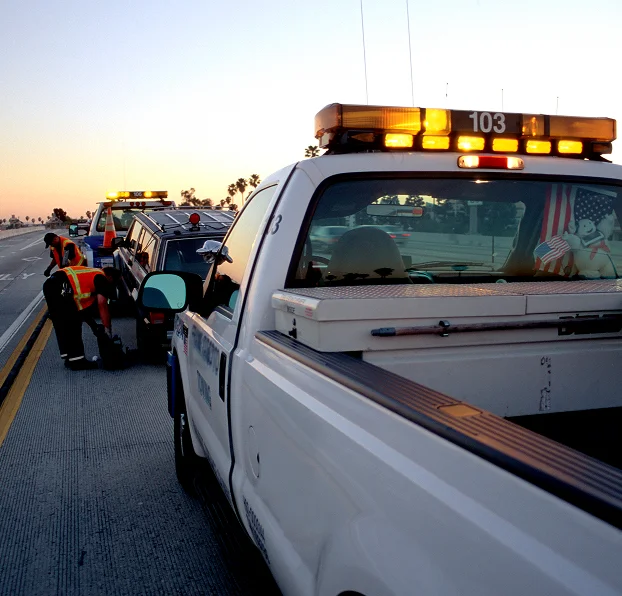
 A traffic stop on I-70 near Silverthorne or Colorado Highway 9 outside Breckenridge can become confusing when an officer asks for a breath sample. Do you have to consent to a breath test in Colorado? The answer depends on whether the officer is offering a voluntary PBT or directing you to complete an evidentiary test after probable cause has been established.
Drivers who are 21 or older may refuse the preliminary roadside test. Refusing or failing to cooperate with the later chemical test can lead to license revocation, a persistent drunk driver designation, and ignition interlock requirements. You have a certain number of days from the date you receive the revocation notice to request a DMV hearing.
Do You Have to Consent to a Breathalyzer on Colorado Roads?
The difference between roadside screening and chemical testing is important. A portable roadside test helps the officer decide whether probable cause exists. For drivers 21 or older, the officer must explain that the driver may accept or refuse the test. The result and the driver’s refusal generally cannot be presented to the jury. The test may be considered during a separate hearing concerning whether the officer had probable cause.
Once the officer has probable cause to believe you committed DUI, DUI per se, or DWAI, the officer may direct you to complete an evidentiary blood or breath test. A driver who is 21 or older, and suspected of driving under the influence of alcohol only, may generally select either a blood or breath test. After selecting a test, the driver ordinarily cannot switch and must cooperate so the sample can be obtained within two hours of driving. Failure to complete the selected test may constitute a refusal.
Colorado breathalyzer law treats the roadside screening device differently from the evidentiary test requested after probable cause develops.
Why Does Driving in Colorado Activate the Express Consent Rule?
Colorado treats driving as advanced consent to legally authorized chemical testing after an officer develops probable cause. In an ordinary DUI investigation, refusal typically results in administrative license consequences. However, an officer may seek a warrant for a blood draw. Different rules may apply when an officer has probable cause to believe the driver committed certain offenses involving death or injury.
Refusal is not just simply saying “no.” Remaining silent, delaying, failing to provide an adequate breath sample, or failing to sign the consent form may all be treated as noncooperation.
A First Refusal Can Trigger a License Revocation
The revocation period varies.
A refusal also results in a persistent drunk driver designation. Current DMV information states that an eligible driver who is at least 21 may generally apply for early reinstatement after two months without driving.
Reinstatement following a refusal may require an ignition interlock restriction and proof of enrollment in Level II education and treatment, SR-22 insurance, and a reinstatement fee.
Can the State Prove DUI Without a BAC Result?
What happens if you refuse a chemical test is not limited to the DMV. The prosecution may still pursue DUI or DWAI using driving behavior, officer observations, roadside tests, body-camera footage, statements, and witness testimony.
Body-camera audio may show that you agreed, attempted to cooperate, expressed a medical limitation, received conflicting instructions, or encountered delays outside your control.
The Revocation Notice Starts the DMV Deadline
If the officer takes possession of a valid license after an alleged refusal, the officer generally issues a temporary permit valid for a set number of days. A hearing request must be submitted to the DMV within that time period.
When the statutory conditions are satisfied, a timely request can stay the revocation and extend temporary driving privileges until the DMV issues its final order. A delay requested by the driver or counsel may affect that stay.
A late hearing may be granted when the driver lacked actual notice or could not make a timely request because of physical incapacity, such as hospitalization or incarceration. A late request does not automatically stay the revocation pending the hearing.
At the hearing, a lawyer may challenge:
- Whether the initial contact and arrest were lawful;
- Whether the officer had probable cause to request the completion of tests;
- Whether you refused or failed to cooperate;
- Whether an illness, injury, or other circumstance prevented completion; and
- Whether the officer’s affidavit and supporting evidence establish a refusal.
The DMV case is separate from the criminal prosecution, and different standards apply, so a court victory does not automatically stop the administrative revocation.
What Details Can Show That You Tried to Cooperate?
After an alleged refusal, preserve information that may show what you understood and how you responded:
- Keep the paperwork. Save the Express Consent Affidavit, temporary permit, summons, bond conditions, and relevant documents.
- Reconstruct the conversation. Write down the officer’s exact request, your response, the test you selected, and each effort you made to comply.
- Identify outside evidence. Preserve passenger information, nearby surveillance locations, lodging records, receipts, videos, and phone data that may help establish the timeline.
- Verify your driving status. Do not assume that a paper permit remains valid after its expiration date or that requesting a hearing automatically restores a revoked privilege. You can call the DMV to check the status of your privilege.
Direct Representation for the DMV Hearing and Court Case
The Law Offices of Susan Deschler defend individuals facing criminal and traffic offenses. We have deep experience throughout Colorado’s mountain towns, defending clients against stops along I-70 and in Breckenridge, Frisco, Dillon, Silverthorne, Keystone, Vail, Georgetown, and Copper Mountain.
Our firm reviews the evidence, explains critical deadlines, appears in court, and communicates directly with you. We can evaluate whether your conduct legally amounted to a refusal, represent you in both the criminal case and the DMV proceeding, and pursue dismissal, reduced charge, or another appropriate resolution when the facts support it.
Contact our team to schedule your consultation and discuss the next steps in your case.
Legal References Used to Inform This Page:
To ensure the accuracy and clarity of this page, we referenced official legal and other resources during the content development process:
- C.R.S. § 42-4-1301. Driving under the influence—driving while impaired—driving with excessive alcoholic content—definitions—penalties (2025).
- C.R.S. § 42-4-1301.1. Expressed consent for the taking of blood, breath, urine, or saliva sample—testing—rules—definition (2025).
- Colorado Department of Revenue, Express Consent Cases Procedures.
- C.R.S. § 42-2-126. Revocation of license based on administrative determination (2025).
- Colorado Department of Revenue, Express Consent.
- Colorado Division of Motor Vehicles, The DUI Administrative Process.
- Colorado Division of Motor Vehicles, Alcohol DUI.
- Colorado Judicial Branch, Summit County Justice Center.


